Spring, TX Respect, Focus, Grit: Condition 1 Combat Center kids martial arts
Respect, focus, and grit are not just buzzwords at Condition 1 Combat Center in Spring, TX. They are habits, practiced minute by minute, class after class. If you have watched a room full of kids move from scattered energy to precise drills, you know how powerful a well-run martial arts program can be. I have seen a shy six-year-old learn to hold eye contact and speak clearly to a coach. I have watched an impulsive ten-year-old stop mid-swing, check his stance, and reset with intention. The change is visible, and it builds week by week.
Condition 1 Combat Center runs a professional program that blends age-appropriate self defense, movement skills, and character development. On the surface, kids punch pads and practice takedowns. Underneath, they learn to manage adrenaline, make choices under pressure, and show respect to peers and coaches. The school offers kids classes, teen and adult martial arts training, and a curriculum built around real application. You will find info about their programs at condition1combat.com, but if you are new to martial arts or evaluating options around Spring, this deep dive will help you understand what to look for and how this academy approaches the details that matter.
What respect looks like on the mat
Respect in martial arts starts with structure. Kids line up by belt level. They bow when they enter, not as a ceremony for show but as a simple moment to switch into training mode. At Condition 1 Combat Center, coaches call students to attention, then walk them through a warm-up that balances mobility, core activation, and light cardio. If a child talks over a coach, the correction is direct and fair. If a partner falls, the first response is a hand extended to help them up.
Respect also shows up in how coaches model communication. You will hear consistent language such as, “Stand tall. Eyes up. Ready stance,” and you will see coaches kneel to eye level when giving one-on-one feedback. Kids who tend to clown for attention learn quickly that clear effort and controlled technique earn more praise than noise. This gives timid kids space to speak up too. The culture rewards being a good partner, not just a strong striker.
Parents frequently ask whether martial arts encourages aggression. In my experience, the opposite happens when the program is built well. Kids who train here release physical energy in a structured setting, then rely on verbal boundaries in everyday life. Respect becomes practical: hold space, use your words, escalate only when necessary, and take action to get to safety.
Focus as a trainable skill
Not every child starts with a long attention span. The right class design can help. Condition 1 Combat Center breaks training into short, purposeful blocks. Think 7 to 10 minutes per drill segment, with fast transitions that prevent the mental drift you see in long lectures. Each segment contains a demonstration, a check for understanding, and quick reps. Coaches call out one correction at a time, which keeps the cognitive load appropriate for the age group.
You will notice how they use targets and bands to give tactile feedback. When a child sees a focus mitt, hears a count, and feels the connection on contact, it anchors attention. For grappling fundamentals, they set simple tasks like holding mount for a slow three count without losing balance. The task is clear, success is measurable, and kids can feel progress.
At home, that focus transfers more easily than people expect. Several parents tell me their child starts completing homework in 15 minute bursts without reminders. That is not magic. It is just the brain practicing a simple pattern: set a stance, pick one thing, finish it, reset.
Grit without burnout
Grit is not grinding a child into the ground. It is the ability to keep trying when things are hard, while knowing how to ask for help. Good coaches know how to stretch a child without snapping their confidence. Here is what that looks like in class. A timid white belt freezes during sparring drills. The coach narrows the task: “Jab, step back, guard up.” The child does not have to solve everything, only the next move. Another coach tracks a resilient kid who coasts when bored and gives them a challenge ladder: three clean combos in a row before moving to the next station. Both kids meet resistance they can push through safely.
Condition 1 Combat Center does not build grit by shouting. They build it by setting clear standards, spotting small wins, and reminding kids that form under fatigue counts more than speed. Sprints show up, but the more important work is breathing, bracing, and maintaining technique when the legs shake. That link between effort and execution is the heart of durable grit.
What kids actually learn week to week
The curriculum blends striking, clinch work, and introductory grappling, along with safety protocols like breakfalls and boundary setting. Over a typical 8 to 12 week cycle, kids will cover:
- How to create and hold space with a hands-up fence, loud voice commands, and angular footwork
- Basic strikes with pads, including jab-cross, low kicks, and palm strikes, plus when not to throw them
- Escapes from common holds, like wrist grabs and bear hugs, plus safe breakfalling to reduce injury risk
- Positional control on the ground, including mount and guard basics, along with how to stand back up quickly
- Scenario drills that link decisions to actions, such as how to navigate an aggressive shove at school
This approach mirrors what you see in capable, real-world self defense classes. Kids get used to close contact, manage distance, and treat their partner as a person, not a prop.
Safety as a priority, not an afterthought
Parents want confidence that their child will come home tired but intact. The school uses heavy pads, adjustable headgear for martial arts school near me sparring segments in advanced groups, and progressive contact levels. Beginners learn accuracy before power. No one needs a knockout punch to build skill at age eight. Coaches demonstrate how to tap early in grappling and enforce a zero tolerance policy for cranking submissions.

Floors matter. Quality mats reduce impact stress, and consistent cleaning keeps skin safe. The staff builds hygiene habits into the program: sandals off the mat, feet cleaned, gear wiped down. Children learn to care for equipment and their bodies. It is not glamorous, but it prevents the preventable.
Spring, TX specifics that shape training
If you live around Spring, you juggle school calendars from Klein ISD to Conroe ISD, commute windows on I-45, and the kind of humidity that makes a kid sweat through a cotton T-shirt in warm-up. Condition 1 Combat Center schedules classes to catch that after-school block and early evening slot, with enough turnover to fit siblings in staggered sessions. Summers are hot, so hydration protocols are built in, and coaches keep an eye on red faces and drooping shoulders. The facility’s airflow and break pacing matter more here than in milder climates.
Local families often cross-train. Baseball in spring, football in fall, maybe swim team when the heat spikes. The program adapts by focusing on durability and movement quality, not just competition. A child can miss a week for a tournament in another sport and still jump back in without feeling lost.
Belt progression without empty promises
Belt systems can get murky. Some schools push frequent belt tests for revenue or morale. Condition 1 Combat Center uses a progression that blends time in grade, skill demonstrations, and coach observation. Expect kids to spend real months on a belt, with stripes to mark steps. Testing is not a showy recital. It is a work session where the student holds standards under mild pressure.
This matters because belt inflation teaches the wrong lesson. If a child breezes to the next color with minimal friction, they start chasing belts rather than skill. When a school holds the line, kids learn that results show up when they are ready. Parents can support that mindset by asking coaches what specific behaviors signal readiness. A good answer sounds like, “Consistent guard retention against peers, clean breakfalls without cues, and calm partner communication.”
How beginners get comfortable
The first class can be awkward. Gear feels strange, rules are new, and kids worry about getting hit. Good instructors handle this with structure. Expect a quick tour of the space, where to put shoes, how to bow in, and who to follow. Coaches will likely pair a new child with a gentle, higher belt for partner work so they get correct reps without fear. Early drills focus on stance, posture, and simple movement so the student senses control before adding strikes or grappling.
A small anecdote from a recent trial day sums it up. A seven-year-old clung to his mother’s leg at the door. A coach knelt, introduced himself, and gave the child a job: hold the timer. Three minutes later, the child was calling out counts for pushups, and by the end of class, he was throwing palm strikes at a pad with a grin. Assigning responsibility flips anxiety into engagement.
What to expect from coaches
Titles and black belts look good on a wall, but how coaches teach is what affects your child. At Condition 1 Combat Center, you will find instructors who came up through competitive pathways, military or law enforcement backgrounds, or years in youth development. That mix helps, because kids need strong technique and a teacher who reads the room.
Look for the following in class. The coach demonstrates both left and right sides to accommodate handedness. Corrections are specific, not generic. Instead of, “Good job,” you hear, “Keep your chin tucked and step off the centerline.” The coach can explain why a drill matters in plain language. They manage space well, keeping high energy kids moving and quieter kids from disappearing in the back row.
Self defense that matches reality
Marketing language around self defense can get inflated. No school can guarantee outcomes in every scenario, especially for children. A responsible program focuses on the highest percentage skills for the age group. For kids, that means boundary setting with voice, running to trusted adults, leaving grips quickly, and getting back to the feet if shoved down. It also means recognizing warning signs and avoiding risky spots.
Condition 1 Combat Center’s approach reflects that. Scenario drills are age appropriate. Younger students act out situations like dealing with aggressive play or a bigger kid grabbing a backpack. Older students practice staying calm when a partner applies pressure, then working a simple plan to escape. The goal is not to create pint-sized brawlers. It is to give children choices and the confidence to use them.
When martial arts helps most
A handful of profiles show clear benefits:
- Shy kids who struggle with group sports gain confidence through structured wins and one-to-one coaching
- High-energy kids learn to channel movement and impulse into timing, breath control, and task focus
- Perfectionists who fear mistakes discover that progress comes from messy reps and controlled failure
- Kids who have been bullied rebuild agency through voice drills and space management
- Multi-sport athletes build balance, hip mobility, and coordination that carry over to field and court
Edge cases are where a veteran staff makes the difference. If a child has sensory needs, the coaches can adjust partner proximity and noise exposure. If a child carries anxiety, they can set pre-class routines. The point is not to promise magic, but to say that good coaching meets a child where they are.
Parents on the sidelines, partners in the process
The best outcomes happen when parents understand the training arc. Early classes focus on basics and etiquette, not advanced techniques. Belt tests show readiness, not calendar time. Behavior at home will improve fastest when parents mirror the mat language: clear expectations, quick consequences, and praise for effort, not just results.
Parents sometimes worry when a child resists going to class. That resistance usually spikes right before a growth step, like starting controlled sparring or testing. The answer is not to push through tears blindly, but to collaborate with coaches. Often a small adjustment, like arriving five minutes early to hit a few pads with a coach, eases the fear.
Sparring and contact questions
Controlled contact is part of realistic training, but it should never feel chaotic. In kids programs, contact levels are scaled to age and rank. The gym uses headgear and gloves where appropriate, and rounds are short with strict oversight. Coaches stop action to reinforce technique and safety. No one throws full power at a beginner, and contact is introduced only after a child can defend basic lines and maintain composure.
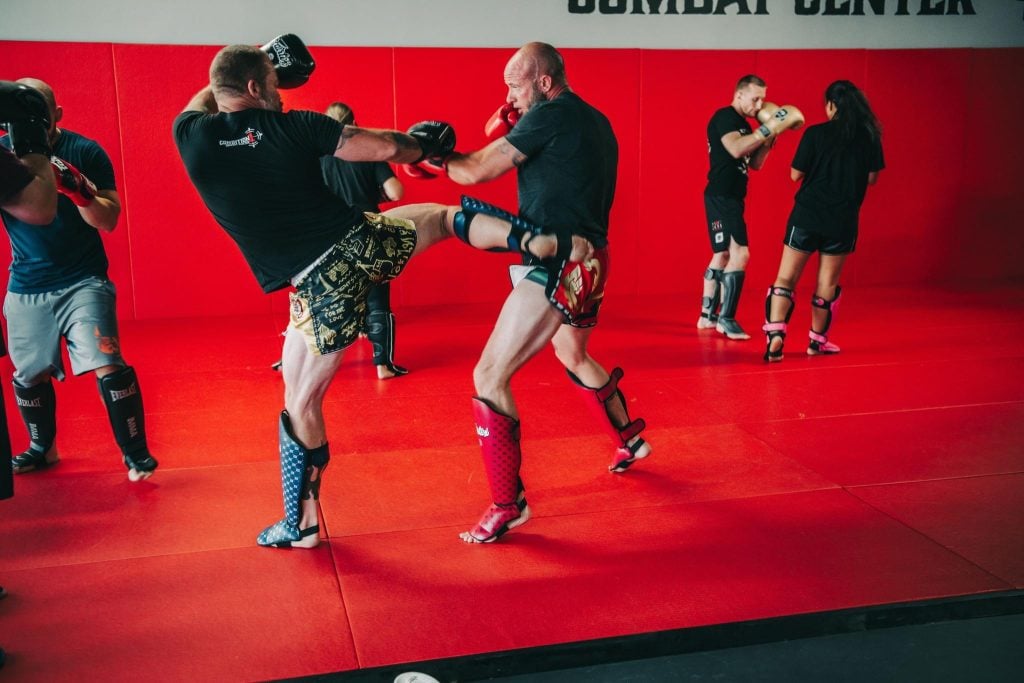
Ground sparring, or rolling, follows similar principles. Light resistance first, with a focus on positions, frames, and escapes. Submissions are taught with emphasis on tapping early and releasing immediately. Kids learn that winning the position safely is as valuable as finishing a hold.
How adult training complements the kids program
While the spotlight here is on kids, many families appreciate that the same academy offers adult martial arts training. Parents training at the same facility creates a shared vocabulary at home. When a parent knows what a ready stance looks like or how to frame on the ground, they can help a child practice with low risk. Condition 1 Combat Center adult martial arts training includes striking, clinch, and grappling that echo the kids curriculum, scaled for adult intensity. You will find class options and schedule details at condition1combat.com adult martial arts training, and it is worth considering a parent-child journey through the ranks.
Evaluating a trial class
If you are comparing martial arts classes around Spring, TX, book a trial class at Condition 1 Combat Center. Bring your child 10 minutes early, wear comfortable athletic clothing, and pack water. Watch how coaches handle your child’s first reps. A good class should show:
- Clear rules explained in friendly language, with quick reminders rather than lectures
- Purposeful warm-ups that prepare joints and balance, not just exhaust kids
- Drills that build a body of skill, not random techniques with no thread
- Coaches who notice quiet kids and redirect high-energy kids without shaming
- A closing routine that reinforces respect, thanks partners, and previews the next step
Ask questions after class. How do they measure progress? What does a typical 3 month improvement look like? How do they handle missed classes? You are looking for answers that show a system, not a sales script.
Building habits at home without turning the living room into a dojo
A few minutes twice a week helps a child integrate class skills. Keep it light and fun. Practice a hands-up fence and back-away footwork in the hallway. Do a 30 second plank race. Role play a firm voice: “Back up. I do not want trouble.” If your child wants to drill strikes, use a pillow and focus on accuracy, not power. Celebrate consistency rather than perfection. The goal is to connect training to daily life, not chase belts faster.
Common concerns, honest answers
Will my child get hurt? Minor bumps show up like any sport. The program’s safety culture and progressive contact keep injuries rare. What if my kid is not athletic? Martial arts rewards attention and repetition. Many of the best technicians were not early standouts. How long before I see changes? Some behaviors shift in weeks, like standing tall and responding to a coach. Deeper traits, like impulse control under pressure, often take a season or two. That timeline is normal and healthy.
Is it real self defense? For kids, real means boundary skills, distance management, and escapes. The school teaches those. They also teach judgment and de-escalation because the smartest fight is the one you avoid or exit quickly.
Costs, schedules, and commitment
Tuition models vary across Spring. Expect ranges typical for reputable schools, often monthly with discounts for longer commitments or family plans. Gear costs scale with level. Beginner kits are modest, and the school can guide you on what to buy and when. Consistency matters more than a packed schedule. Two classes per week is a good baseline. Add a third only when your child asks for more, not to chase faster belts.
Condition 1 Combat Center publishes current schedules and program details at condition1combat.com. If you are balancing multiple kids and sports, ask about sibling classes that overlap and how the staff can help you coordinate. A school that respects your family logistics will likely respect your child’s learning pace.
The bigger picture: why this training matters
Kids in Spring, TX face the same mix of opportunities and risks as kids anywhere, plus the unique texture of a large, diverse community that sprawls across neighborhoods and school zones. They navigate playground politics, crowded school hallways, and the occasional rough moment at a park or shopping center. A well-taught martial arts program gives them three durable assets.
Respect shows up as empathy and boundaries. Focus appears as the ability to pause, breathe, and pick the next best action. Grit manifests as trying again after a stumble, whether that is a failed math quiz or a tough roll on the mat. These are not abstract traits. They look like a child raising a hand in class after being wrong the day before, or stepping away from an escalating dare with a calm, “No, I am out.”
Condition 1 Combat Center has built a culture where those qualities are trained on purpose. The staff treats self defense as a skill set, not a myth. They hold standards without punishing curiosity. They know when a kid needs a nudge and when they need a nod. If you want your child to learn martial arts in a way that respects their body, mind, and future, visit the gym, watch a class, and talk to the coaches.
You can explore programs, class times, and options for both kids and adults through the Condition 1 Combat Center martial arts pages at condition1combat.com. Whether you call it self defense classes, martial arts, or simply training, the goal is the same: help your child stand taller, think clearer, and stick with hard things long enough to grow. That is what respect, focus, and grit look like in real life, and it is what this Spring, TX team trains every week on the mat.